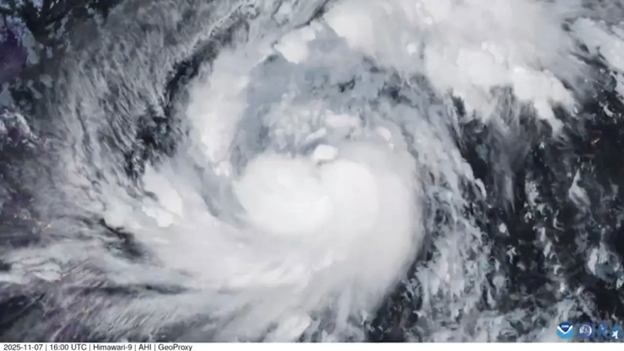
On Nov. 9th, typhoon Fung Wong, locally known as “Uwan”, made landfall in the Northern Philippines. According to The Guardian, this is the second typhoon in the same week that the Philippines has been hit by and the 21st typhoon of the year.
There were sustained winds of 115 mph, and gusts of about 140 mph. These winds were hitting the Philippines even before the storm arrived, and in the end resulted in the death of 8 people and over a million people having to evacuate, according to the Washington Post.
The typhoon before this, Typhoon Kalmaegi, left at least 224 people dead; and because of the arrival of Typhoon Fung Wong authorities were forced to suspend rescue operations for more than 100 people.
Residents cut trees in preparation of the storm; many tried to pull out furniture and pets, trying to salvage as much as possible. According to BBC News, 4,100 houses were left either totally destroyed or partially damaged, along with large parts of the country still being under water.
BBC News also reported that in a statement on Sunday from the International Federation of Red Cross and Red Crescent Societies, it was said that “this series of catastrophes is ‘not routine’, it is a stark reminder of the escalating and seismic risks faced by vulnerable nations. Urgent support is needed to scale up relief efforts, prevent further loss of life and support the country as it recovers from this latest disaster.
In an interview with Lakewood Highschool 11th grader Khiori Johnson, she stated that she could “see the connection in the weather events happening around the world and in our own state of Florida with the increased amount and severity of hurricanes.” Her house was impacted heavily by last year’s hurricane, and she is still working on repairs towards it. She believes if we all contribute to doing better at taking care of our planet, we could possibly make a change and stop these weather events from happening so frequently and intensely.